E-commerce never replaced the fitting room.
Until now.
Mirror gives every shopper the confidence of trying before buying — inside your existing product pages. One photo, instant visualization, measurable uplift in conversion and fewer returns.
Measured against a proper control group. No auto-renew — continuing is your call, on the evidence.
yourbrand.com/products/stripe-midi-dress
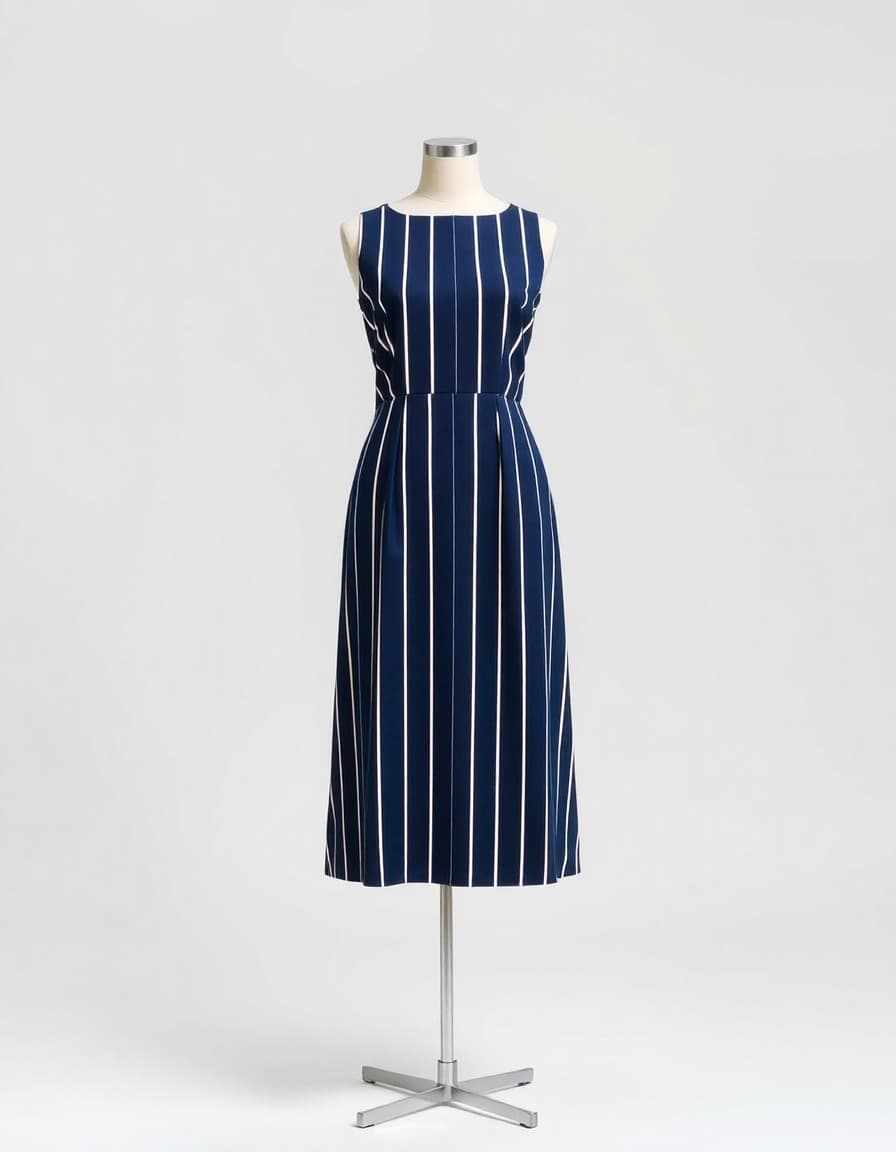
Your PDP
See it on you
your brand's UI
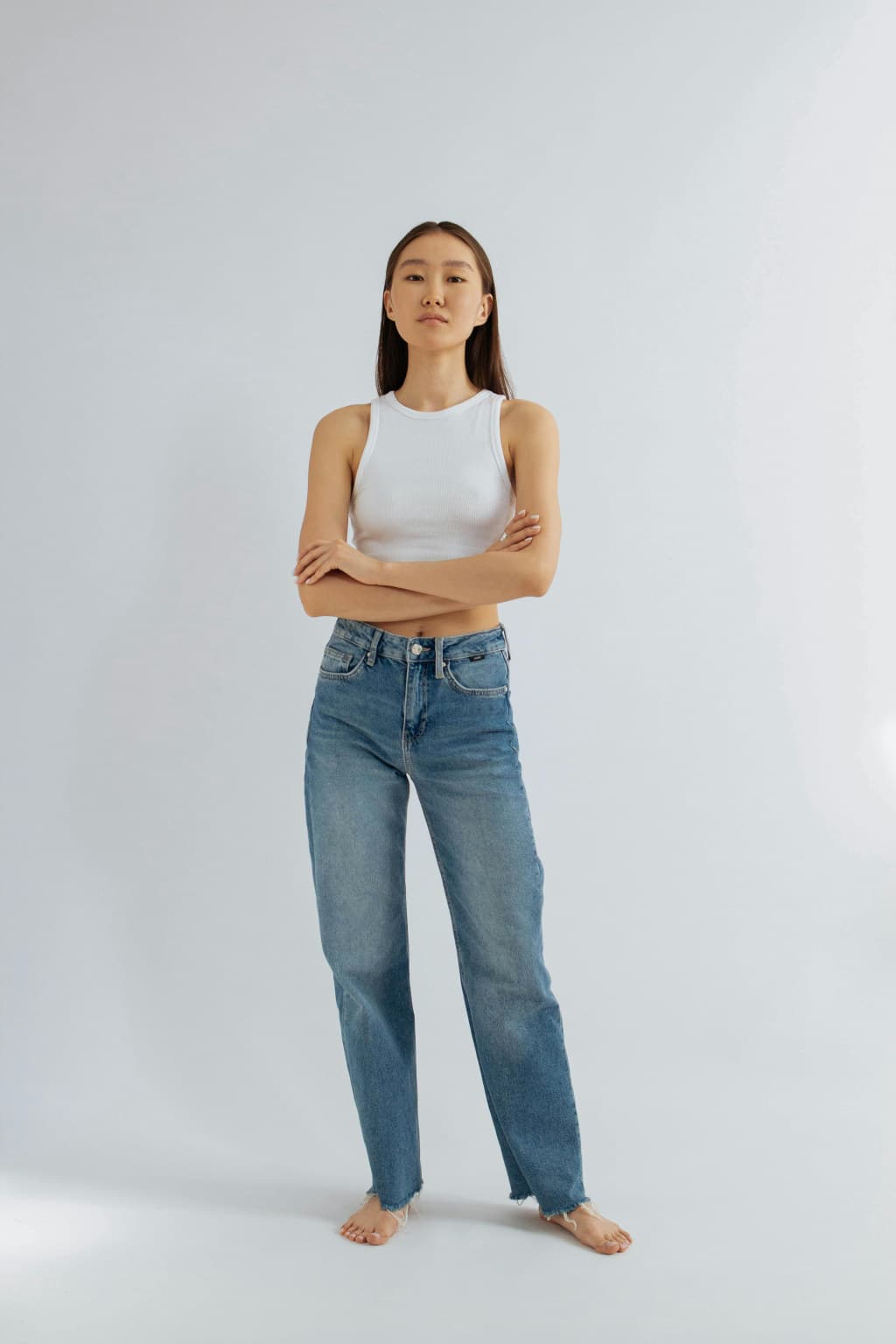
Her photo
height · 168 cm
rendering her size…
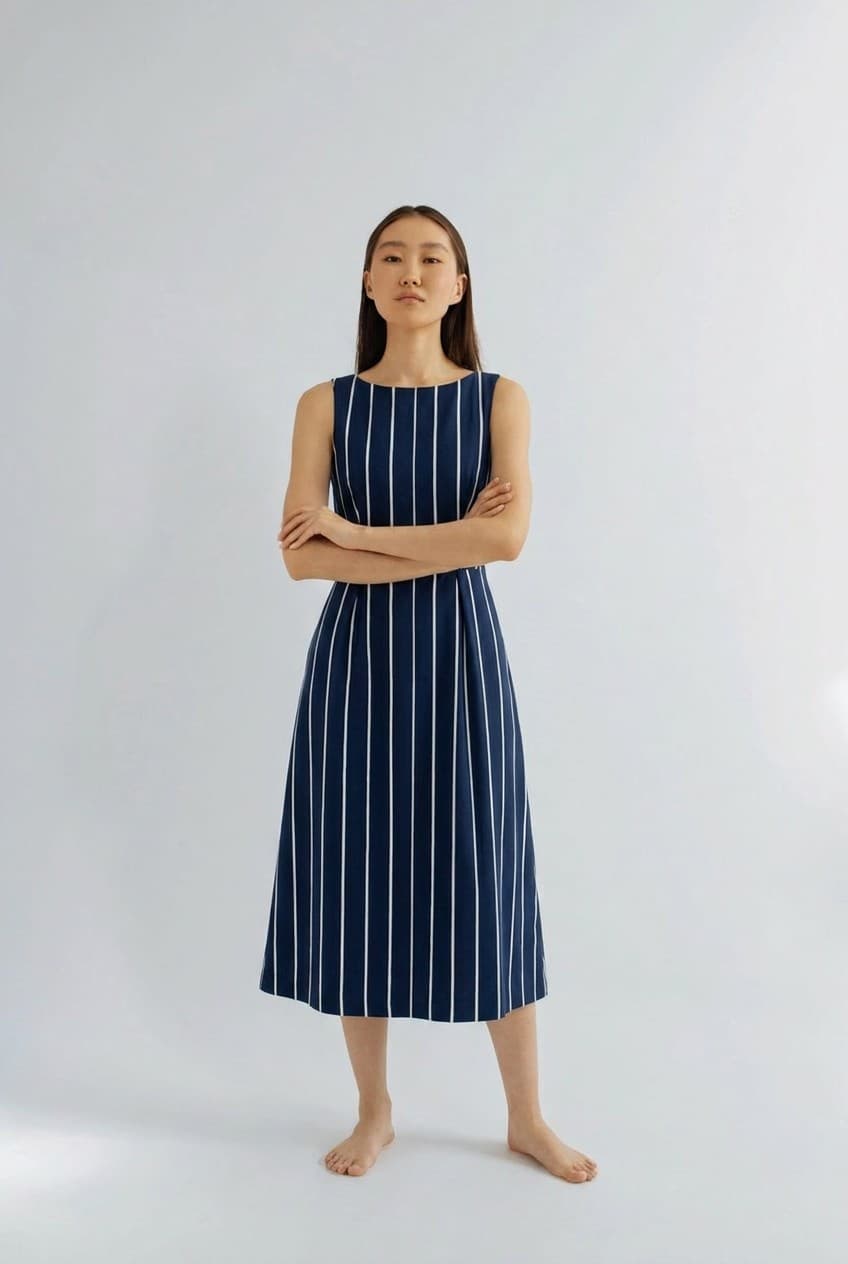
AI preview, not a mirror
Her size — fitted at the waist, easy everywhere else.
01 · She uploads one photo on your product page
A real Mirror render — tap a size for the fit read her shoppers get.
Works with your stack
What imagination costs you
25–40%
return rates online
In contemporary womenswear — worst on your highest-margin statement pieces.
$5–15
cost per return
Processing alone, before reverse logistics and write-downs on damaged stock.
2 sizes
or none at all
The unsure shopper orders both — or, more often, neither. Fit doubt taxes every PDP.
Category-wide benchmarks for online contemporary womenswear.
See it in action
One photo. Her whole wardrobe.
The same shopper photo, three different garments — every image below is genuine, unretouched Mirror output. Same face, same body, same pose. That's the point.
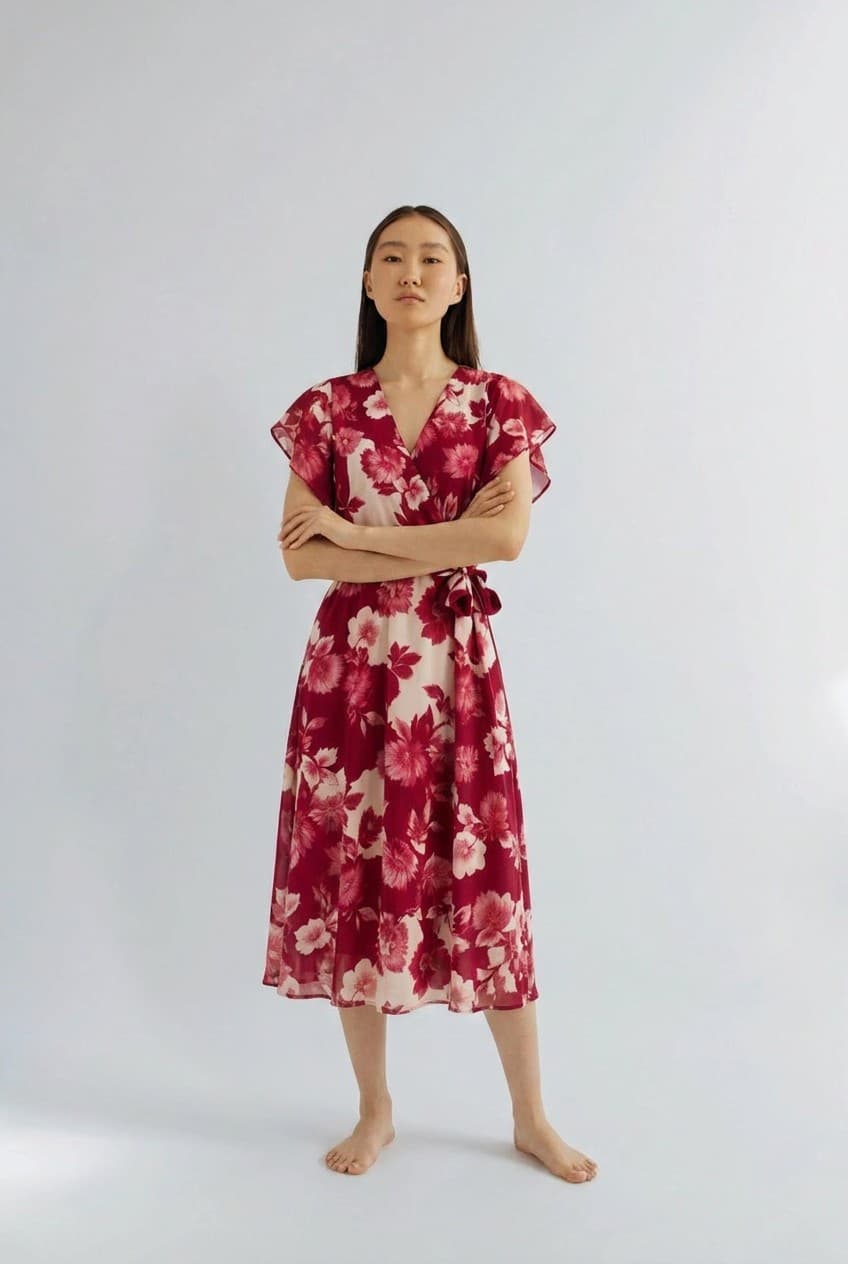
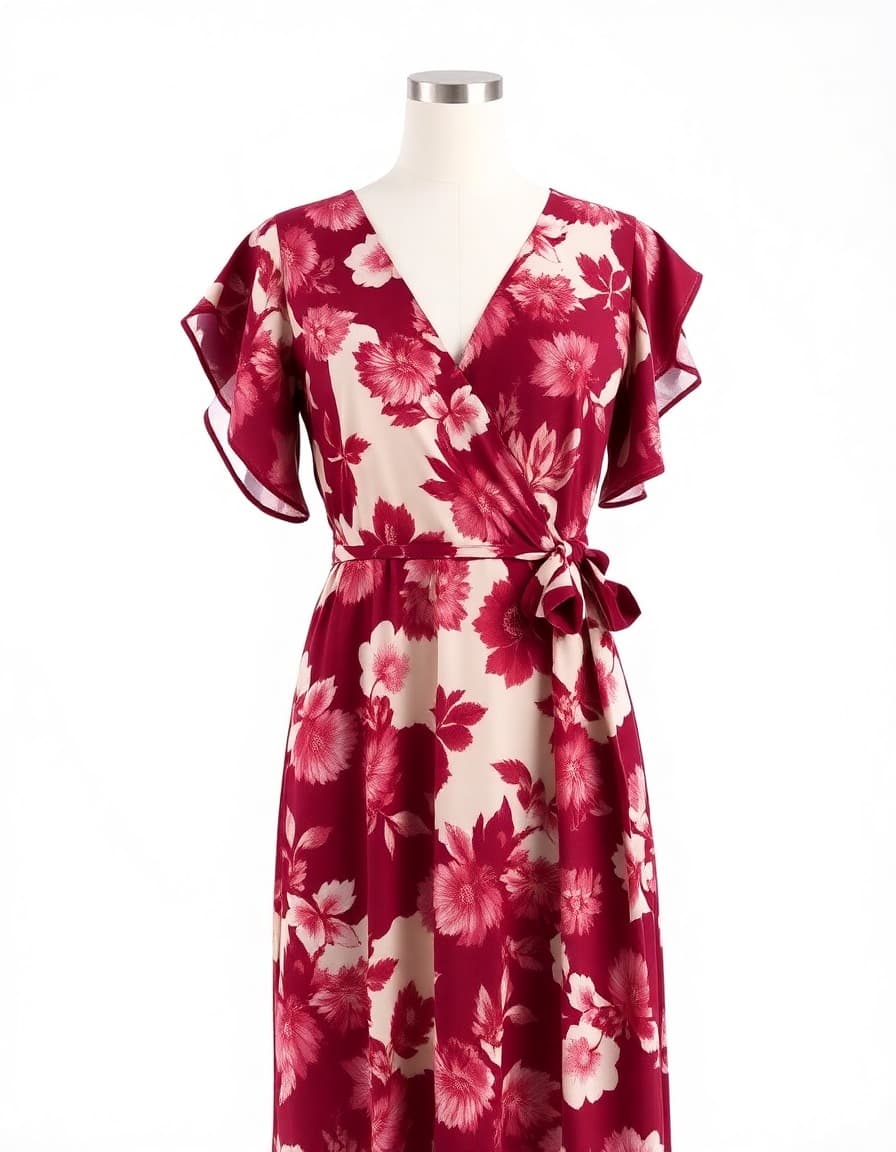
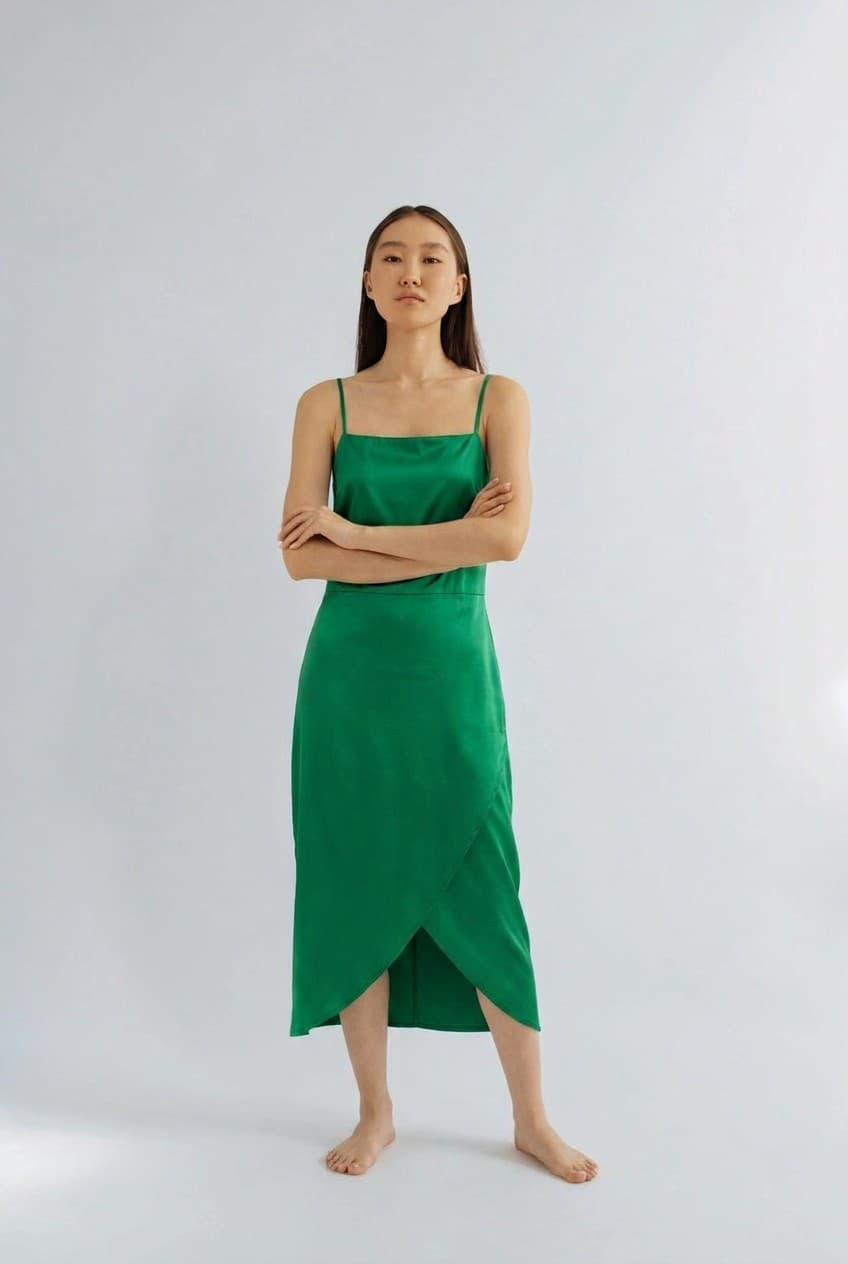
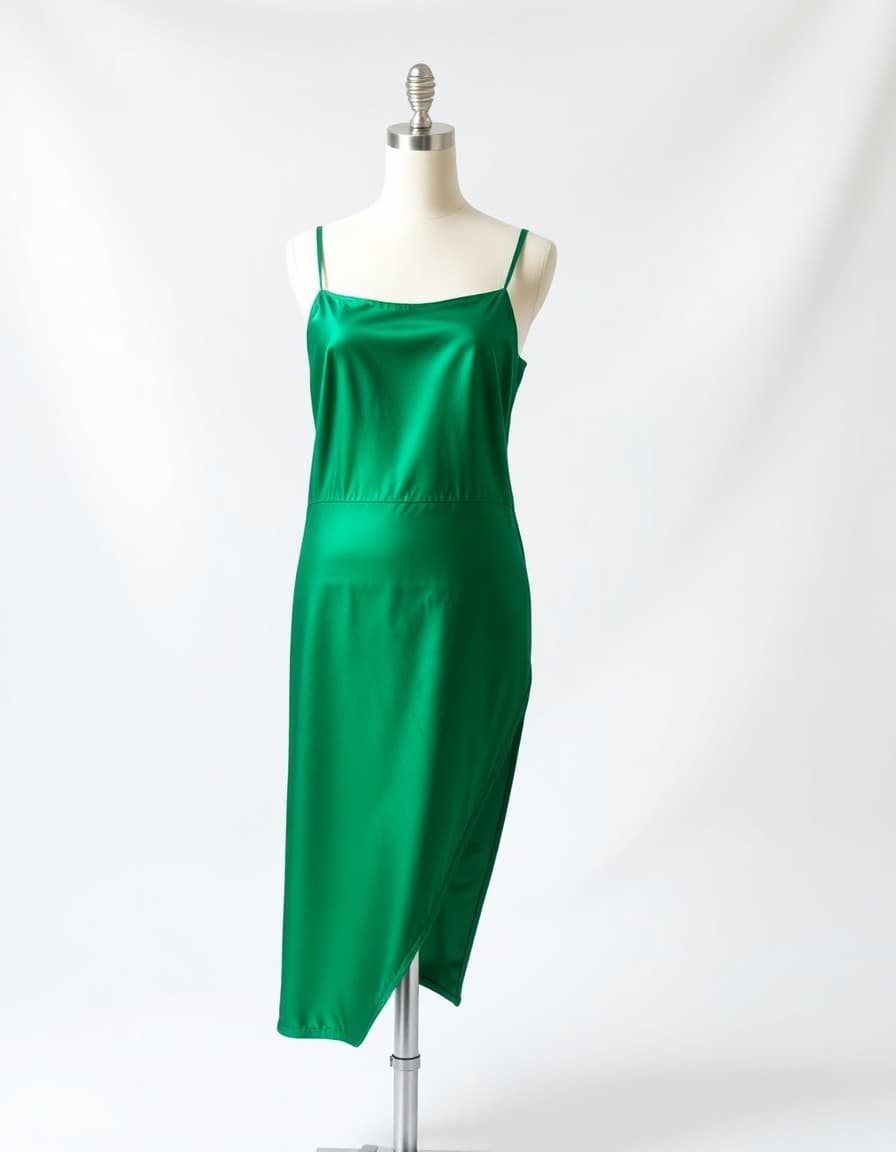
Honest footnote: the demo garments are AI-generated (we don't put brands' product photos on our marketing page), the shopper photo is a licensed studio photo, and the renders are real engine output — exactly what the widget produces.
How it works
See yourself in it. Before you buy it.
One photo, her height
The shopper uploads a photo on your product page. That's the whole ask.
Rendered on her body
Same face, same body — a ~15-second render of her wearing the garment at her recommended size.
An honest fit read
Her size, ease at bust / waist / hip, and where the hem lands on her — from your real size chart.
Fit intelligence, not just pixels
A midi on the model can be a maxi on her.
We model your garments' real per-size measurements against her body — so Mirror knows where that hem actually lands on her, and says so before she buys. That's the difference between a pretty picture and a size she keeps.
Try it — drag her height. →
See it on your own size chart →Same 112 cm dress on both — drag her height. Mirror computes the landing from your size chart, not from pixels.
Why Mirror
Four things nobody else bundles.
Multi-engine reliability
Try-on models fail differently per garment. Mirror routes every SKU to the engine that renders it best — and corrects engines when they get length wrong. No single-model ceiling.
Sizing bundled in
Try-on vendors don't do sizing; sizing vendors don't do try-on. Mirror is both in one widget — one bill, and the metric that actually maps to returns.
She stays her
Renders start from her actual photo — same face, same body. Avatar apps synthesize a thinner, taller stranger; a flattering stranger doesn't reduce returns.
"What she sees is what she gets."
Live in weeks, on your PDP
We ingest your existing Shopify or SFCC catalog — your side is an afternoon and one embed snippet. White-label: your design system, your customer relationship.
<script src="mirror.js" brand="yours"/>
What we're honest about
The next try-on vendor will demo their best five garments and hide the other ninety-five.
We won't. Every render is labeled "AI preview, not a mirror" — and shoppers who see honest disclaimers convert better than shoppers who get oversold. They return less, too.
- Bold prints reproduce recognizably, not pixel-perfect — we route those SKUs to the engine that preserves them best.
- Garment proportions render to her body, not your model's — that's the point.
- Where an engine gets the length wrong, we detect it against your size chart and correct it — automatically.
- Fabric tension (how a snug size pulls) is beyond today's 2D engines — we say so, and quantify fit instead.
The landscape
Everyone has one piece. Mirror has the intersection.
| On your PDP | Sizing included | Multi-engine | Who owns the shopper | |
|---|---|---|---|---|
| Consumer try-on apps | ✗ — their app | ✗ | ✗ | They do |
| Enterprise try-on (single model) | ✓ | ✗ | ✗ | You |
| Sizing-only vendors | ✓ | ✓ | n/a — no try-on | You |
| Mirror | ✓ | ✓ — bundled | ✓ — per-SKU routing | You |
A brand wanting try-on and sizing today pays two vendors. Mirror bundles both at a mid-market price.
The pilot
Ninety days. Your SKUs. Measured, not promised.
Live within weeks of signing — the 90 days buy a proper shopper-level A/B test, so the number you get at the end is one you can trust.
Scope
One category, ~50–100 SKUs of your choosing — statement pieces plus steady-sellers. We do the integration; your dev pastes one snippet.
Structure
A paid pilot: a one-time onboarding fee plus a discounted monthly pilot rate. Production pricing is on the table before you sign — no renegotiation surprise.
We measure
Add-to-cart lift for shoppers who see the try-on vs. a randomized control, plus engagement and size-recommendation accuracy. Live dashboard, weekly check-in, final readout.
Exit
No auto-renew. The pilot ends cleanly at 90 days — continuing to production is a separate decision, made on the evidence.